

Navigating the realm of car rentals in Fiji necessitates prioritizing established money-saving strategies, ensuring not just financial prudence but also fostering a smoother, more cost-effective rental experience. We have grouped together a selection of money-saving strategies to keep in mind when renting a car in Fiji. These have been honed through years of practice and trial and error. Spend a few minutes reading through the list and start implementing them for all your travels.
1) Avoid the rush hour

The rush hour is normally between 7 am and 9 am in the morning and between 4.30 pm and 6 pm in the evening, with the local schools releasing hyper-excited kids between 2.30 pm and 3 with rows of school busses across the nation lining the streets outside the gates to escort them safely home. This has been added to the money-saving list because fuel costs can fluctuate and every liter saved whilst not sitting in traffic is money in your pocket. This is normally associated with the larger towns and cities of Suva and Lautoka and surrounding districts. Our simple recommendation is to stop for a coffee or excursion during these times. While everyone else is rushing to get home, you can be enjoying a refreshing drink or meal with friends.
2) Always read the small print

We know it is monotonous, and with the size of the font they are normally printed in, causing eye strain, inducing annoyance, and followed with a slight migraine to finish the trio of emotions, but it is worth it in the long run, the objective is to get the legal requirements out of the way before you set out, so every second can be about the special experience between you, your friends and family, savoring every moment of your new home away from home.
Visitor Advisory 1: Hidden No More | Rental Charges
Rental pricing can differ between companies. Some daily rates include basic insurance, while others add it as a compulsory extra. Additional fees may apply for drivers under 25 or for exceeding set kilometre limits, as not all rentals offer unlimited distance. Always confirm what is included in the quoted rate before booking. With the rise of AI tools such as ChatGPT or Gemini, small print can now be quickly scanned and analysed, making it much harder for unfavourable details to go unnoticed. If the information is online, these tools can help clarify what’s really being said so you can make more informed decisions.
3) Choose the Right Car for Your Adventure

Choosing the most appropriate vehicle for your adventure may seem like common sense. Of course, if it’s just yourself or you and your partner, you’re unlikely to pick a large family wagon. That point is understood and acknowledged. However, the size and type of vehicle you choose are still critically important.
If you’re planning to travel around the main island of Viti Levu, especially along the coastal roads, a small modern city car is usually all you need. While the roads aren’t perfect, they are generally well maintained and a far cry from the compacted dirt tracks of the past. A smaller vehicle will comfortably handle this route and provide modern comforts like air conditioning, electric windows, and good fuel efficiency.
Once you head inland, conditions can change quickly. Sealed roads often give way to dirt tracks, and in some areas it’s hard to know whether the road continues at all. Heavy rainfall can bring down vegetation or embankments, making travel unpredictable. If this is part of your plan, a solid 4×4 with good ground clearance is essential to cope with mud, uneven surfaces, and rough terrain.
If you’re considering taking your vehicle on a ferry to another island, that’s another factor to think about, as it brings its own challenges and requirements. Even if off-road driving is permitted, it comes with its own caveats. Be realistic about your expectations, understand the limits of your vehicle, and choose accordingly.
Visitor Advisory 2: Know Vehicle Limitations
Always check the limitations of where you’re allowed to take the vehicle. Even if you hire a 4×4 with all the mod cons and the ability to climb the steepest mountainside known to man, the guys back in the office may not allow it. They may state that the vehicle is not permitted off-road—and in some cases this may even extend to maintained dirt roads, not just forests, beaches, or heavy undergrowth. It’s also quite common that rental companies do not allow vehicles to be taken on car ferries to the outer islands, mainly due to the salty sea air and the increased risk of damage during the journey. So while the appearance and capability of the vehicle might suggest it can go anywhere, its use may still be limited by the rental company’s rules. Always check first to avoid surprises.
4) Check the fuel dial before departing on your adventure

Normally the rental firm will automatically provide a full tank of fuel, and document the level when going through your vehicle inspection. Upon returning the vehicle just make sure you fill the tank to the same level, as they will charge for the deviation and some charge an additional fee for the inconvenience.
5) Always wash the Car and clean the interior

Always wash clean the interior, remove all the Fiji Water bottles, and snack wrappers that have accumulated in the side pockets. Most of the larger stations offer a car washing facility, and some offer it at a reduced price if you fill a full tank, so a combo deal could be available. Keep the receipt in hand, ready to present to the rental firm. This avoids you from having to pay a small fee normally between 20-30 dollars when returning the vehicle to the vendor. Anything for a simple life. In Fiji, numerous local residents set up modest shelters along the roadside, advertising their small car wash businesses with signs. Typically charging between 5 to 10 dollars, these entrepreneurs offer services such as power washing the vehicle’s exterior, cleaning windows, and thorough interior cleaning, including floor mats and rubbish removal.
Visitor Advisory 3: Car Washing Stations
The majority of these establishments (Car Washing Stations), comprising 99 percent, are characterised by hardworking and trustworthy individuals. However, it is essential for customers to exercise caution, as the remaining 1 percent may attempt to take advantage. To mitigate risks, patrons are advised to empty personal items from their cars upon parking, storing them in the trunk or keeping them close while waiting on the customer benches.
6) Advanced / Multiple Days Booking

Although these do not guarantee you saving, there are opportunities of getting an extra day free if you book multi-days all together in one transaction, with greater savings potentially if you book way in advance. If you opt for holiday periods outside of peak seasons and make consecutive-day reservations for car rentals, it should result in you retaining a few extra golden sovereigns in your pockets.
7) Discounts and Promotions

Explore Facebook and other social media platforms for rental car discounts, promotions, and special offers, including loyalty programs and promotional codes, as these channels are widely used by companies to share updated information. It’s also worth asking rental companies directly about low-season deals, as some offer reduced rates or added value during quieter periods.
8) Check your tire pressure
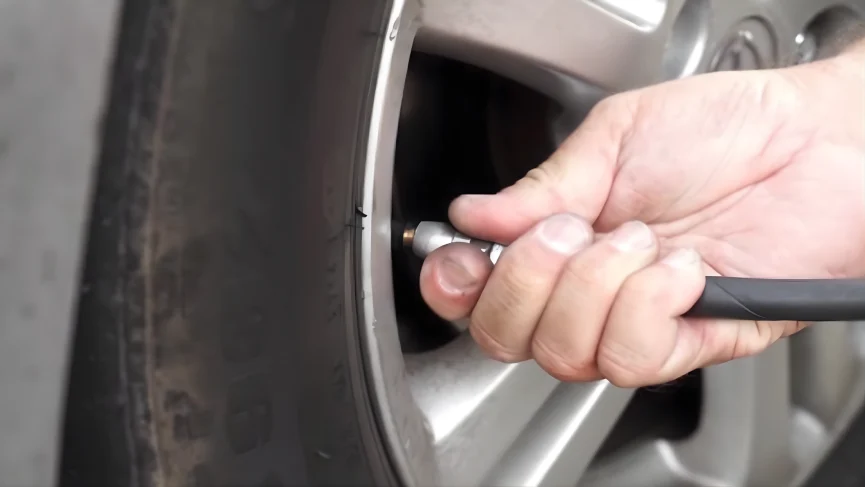
Checking and adjusting tire pressure is a small yet crucial aspect of cost-saving and ensuring a smoother driving experience. A tire underinflated by 5-10 percent can lead to a 2 percent increase in fuel consumption, and imbalances between tires can result in an uncomfortable ride. For an accurate pressure reading, it’s recommended to check tire pressure when the tires are cold, after the car has been stationary for some time.
Step by Step Guide: How to adjust your tire pressure:
- Position your car close to the air compressor so that the hose can reach all four tires.
- Turn on the air compressor.
- Remove the stem caps from each tire and set them aside.
- Press the hose fitting down onto the valve stem and engage the lever. You should feel air flowing through the hose, inflating the tire. It may take some effort to hold the hose securely on the valve stem.
- When the tire reaches the correct pressure, the machine will typically beep, accompanied by a visual indicator on the screen.
- Adjust the pressure in all the tires using the same method.
- Replace the valve caps on all the tires to prevent dust and debris from affecting the valve stems.
- By following these steps, drivers can ensure that their tires are properly inflated, promoting fuel efficiency, a smoother ride, and overall vehicle safety.
Reserve Your Adventure in Paradise

We’ve added links here from trusted booking platforms to help you compare and book car rentals with familiar companies. The links on this page may earn us a small commission at no extra cost to you, and by booking through them you’re also helping support homeless people and street animals in Fiji through our Travel with Purpose initiative.
You Might Also Like


FURTHER READING: For those interested in exploring this topic further, additional resources and in-depth materials are provided below when available; otherwise, no further reading is included at this time.:
REFERENCES: This guide is based on over a decade of research and firsthand experience living in Fiji. It incorporates extensive knowledge gained through long-term residence and ongoing engagement with the region. Images and text have been sourced from official references, which are acknowledged below, to ensure accuracy and comprehensiveness.
- https://www.talanoa-treks-fiji.com/driver-guide-vehicle/ image
FOOTNOTES: Additional details, clarifications, or sources referenced in this article are included as Footnotes below the text when applicable; otherwise, no Footnotes are provided.